
Which Window Treatments Help Reduce Energy Bills in Indiana Homes?
Energy costs are top of mind for many Indiana homeowners—especially during the peak of summer heat and the coldest winter months. Large windows bring beautiful natural light into a home, but they can also be one of the biggest sources of heat gain and heat loss.
The right window treatments can play a significant role in improving comfort and reducing energy bills year-round.
From sunny afternoons in Westfield to cold winter mornings across Central Indiana, custom window coverings help regulate indoor temperatures while maintaining the style and functionality homeowners expect.
At In Style Blinds, we help homeowners choose window treatments that don’t just look great—they work behind the scenes to make homes more comfortable and energy efficient.
If you’re looking for ways to reduce your energy costs, here’s what to know.
How Do Window Treatments Affect Energy Efficiency?
Windows are one of the least insulated areas of a home.
Without proper coverings, they can allow:
• Heat to enter during summer
• Warm air to escape during winter
• Increased strain on HVAC systems
• Uneven indoor temperatures
• Hot and cold spots throughout the home
Well-designed window treatments act as a barrier between your living space and the glass, helping to regulate how much heat and light enter or leave the room.
This can make a noticeable difference in both comfort and energy usage.
Which Window Treatments Are Best for Reducing Energy Bills?
Not all window treatments perform the same when it comes to energy efficiency.
Some of the most effective options include:
Cellular Shades
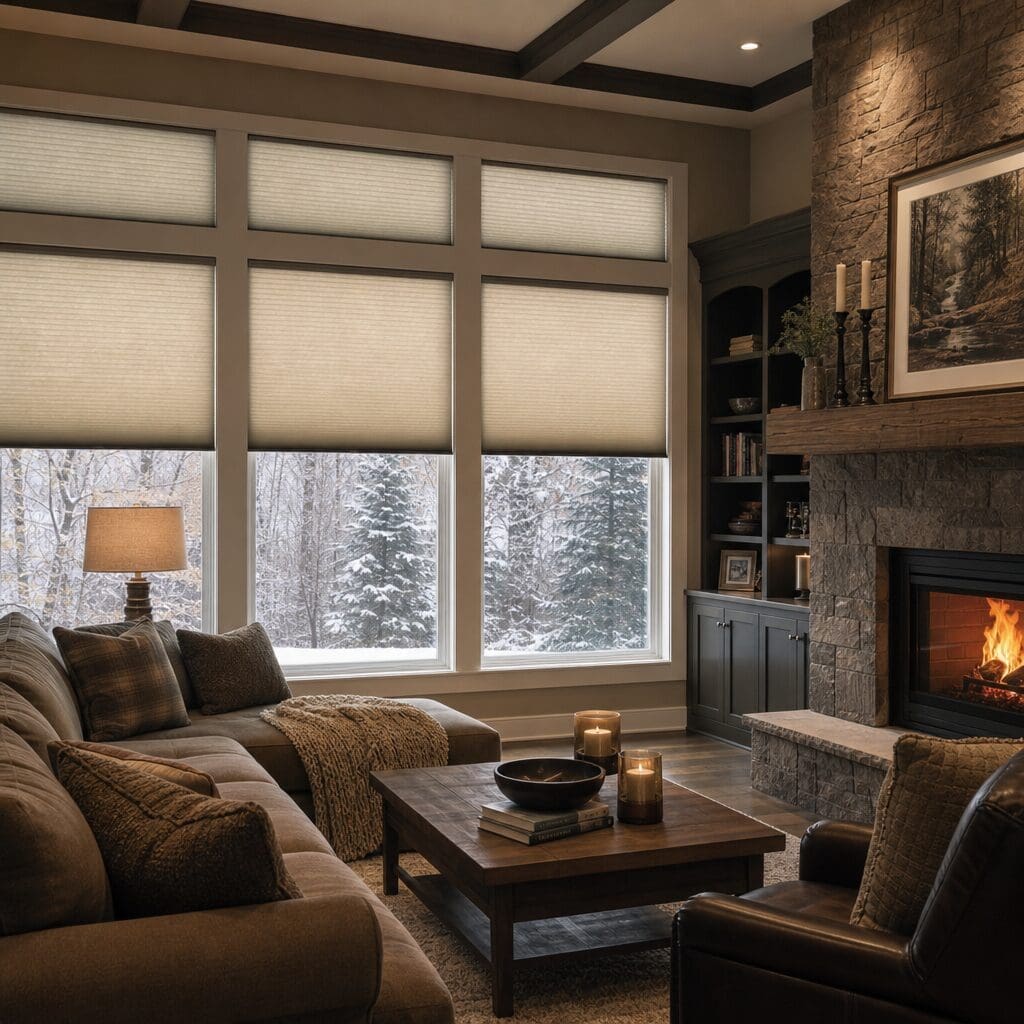
Cellular shades, also known as honeycomb shades, are one of the most energy-efficient window treatments available.
Their unique design creates air pockets that help insulate windows.
They can help:
• Reduce heat loss in winter
• Limit heat gain in summer
• Improve indoor comfort
• Support more consistent temperatures
For Indiana’s changing seasons, cellular shades are often one of the best overall solutions.
Solar Shades
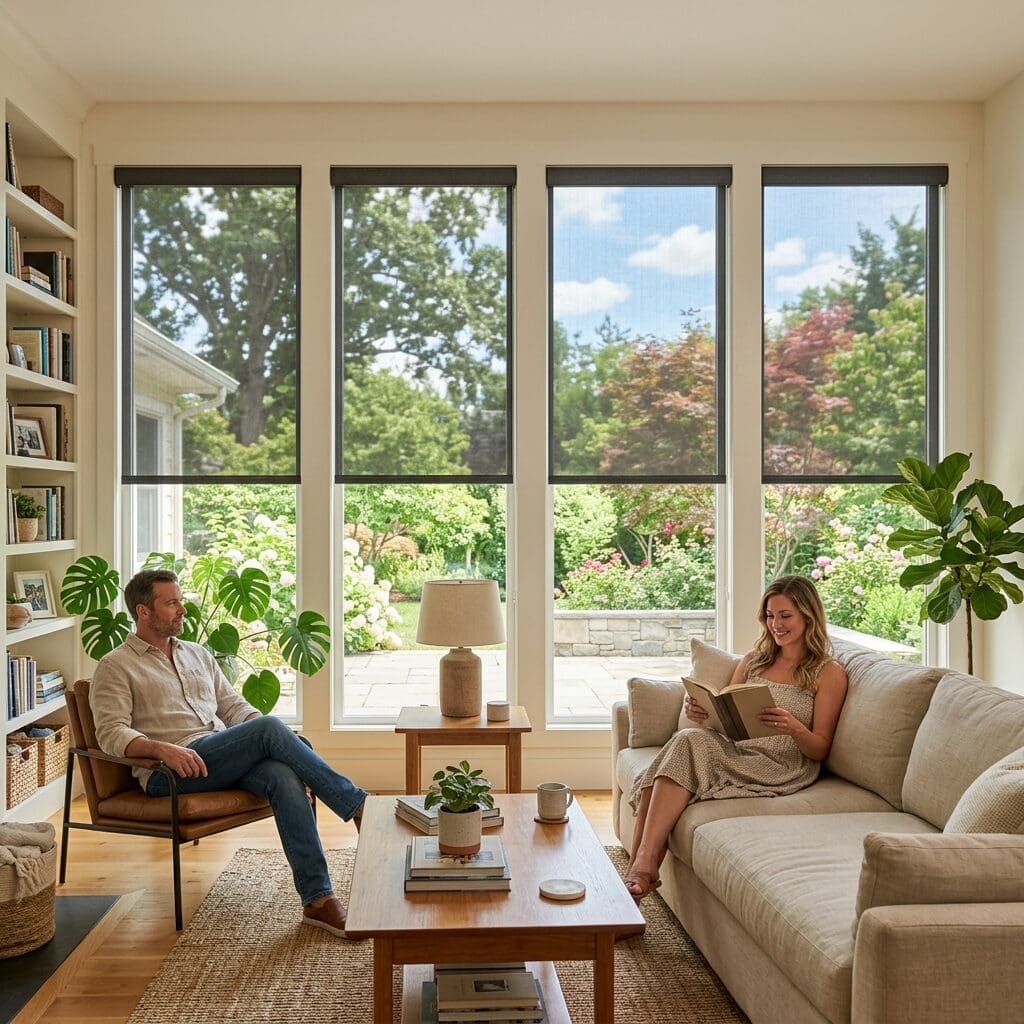
Solar shades are designed to reduce glare and limit solar heat gain while maintaining outdoor views.
They are especially effective for:
• West-facing windows
• Large open-concept spaces
• Homes with significant sun exposure
• Offices and media rooms
By filtering sunlight, they help keep rooms cooler during hot summer afternoons.
Roller Shades
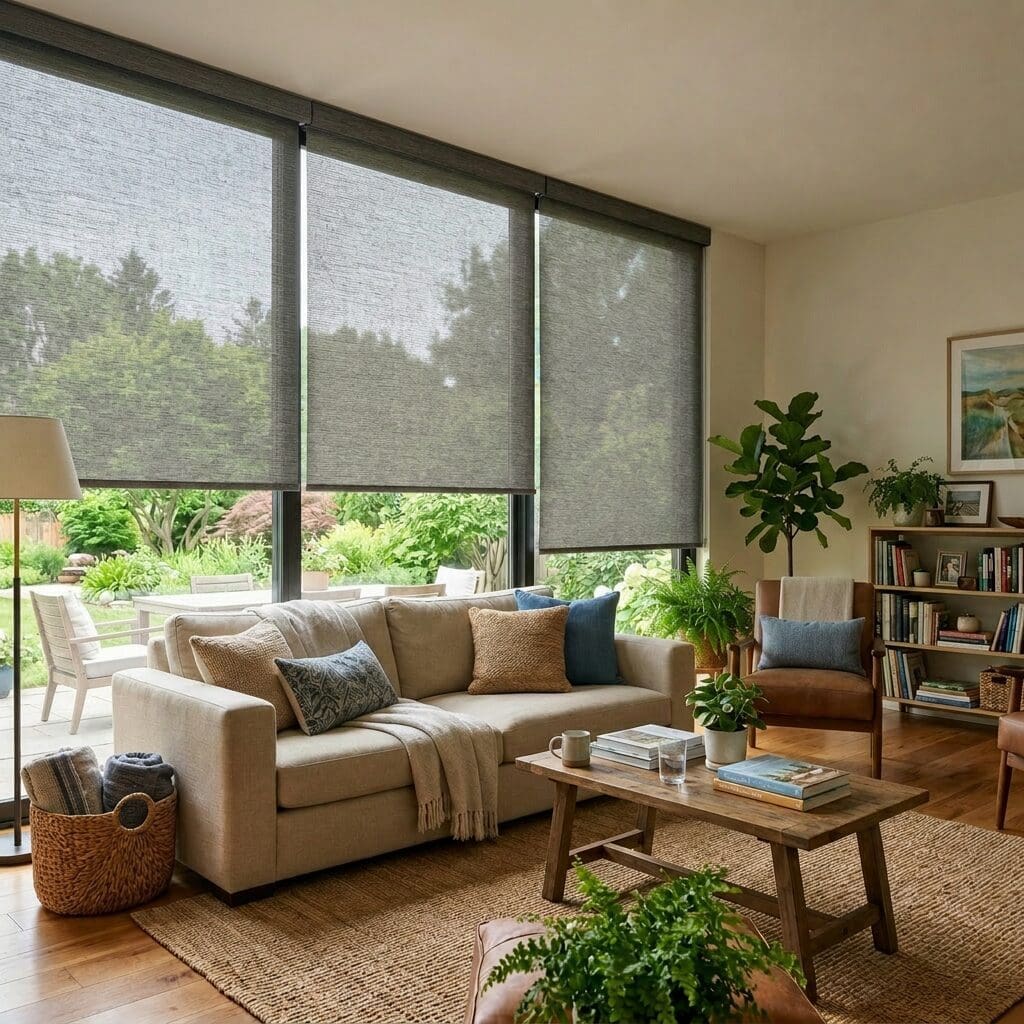
Roller shades offer clean design with a range of fabric options that support light control and energy performance.
Depending on the material, they can help:
• Reduce sunlight exposure
• Improve privacy
• Limit heat gain
• Maintain a modern aesthetic
They are often used throughout main living areas for a consistent look.
Plantation Shutters
Plantation shutters provide a more structured barrier at the window.
They help:
• Block direct sunlight
• Reduce drafts
• Improve insulation
• Maintain indoor comfort
Because they are fitted to the window frame, shutters can create a more sealed environment compared to some other options.
Layered Window Treatments
Combining shades with drapery creates additional layers of insulation to save energy.
Layered treatments can:
• Reduce heat transfer
• Improve energy performance
• Add softness and design depth
• Enhance privacy and light control
This approach is especially effective in bedrooms and large living spaces.
Can Window Treatments Help Keep Homes Cooler in Summer?
Yes.
During Indiana summers, direct sunlight can quickly heat interior spaces, especially in rooms with large or west-facing windows.
Energy-efficient window treatments help by:
• Blocking, filtering, or providing room darkening effects against sunlight
• Reducing solar heat gain and providing UV protection
• Keeping rooms cooler during peak hours
• Improving comfort in living spaces
Solar shades and light-filtering roller shades are particularly effective for managing summer heat without darkening the room.
Can Window Treatments Help Keep Homes Warmer in Winter?
Absolutely.
During colder months, windows can allow warm indoor air to escape.
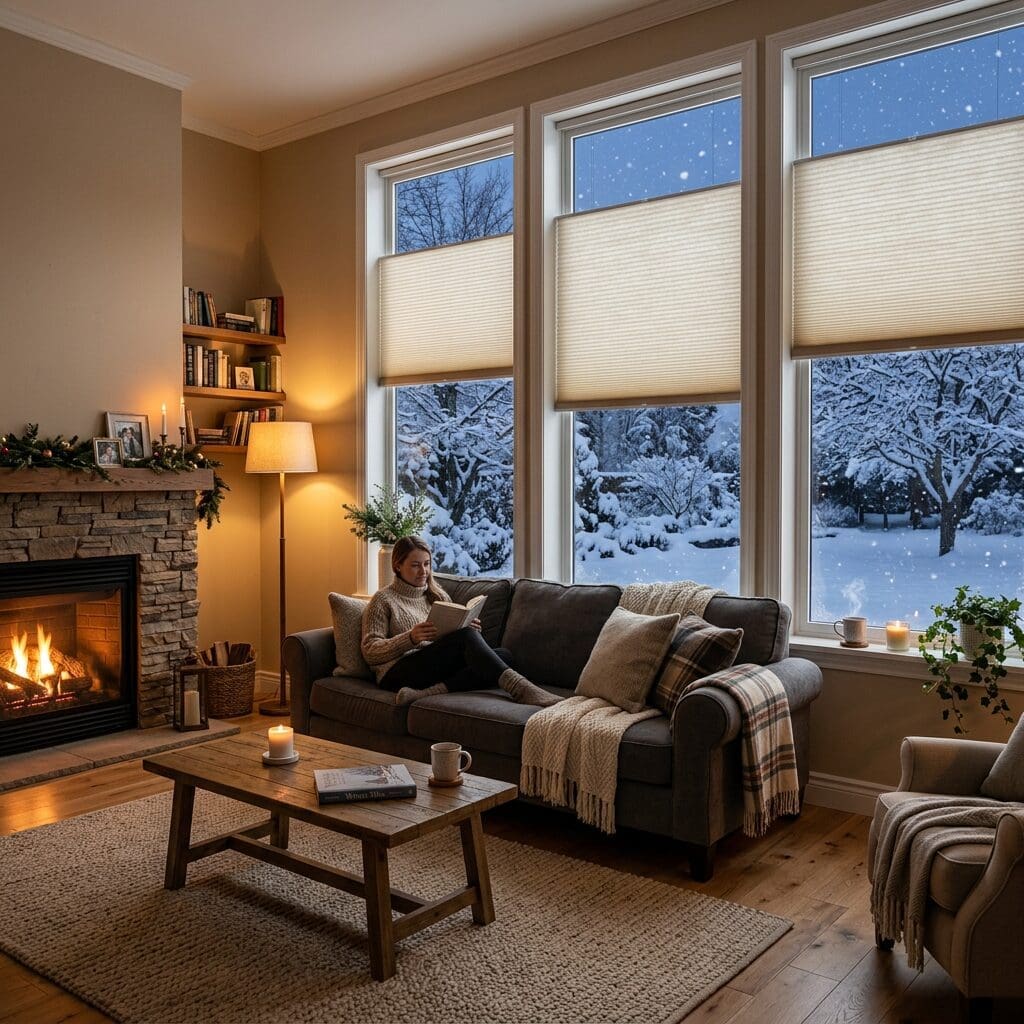
Certain window treatments help retain heat by adding insulation at the window.
Cellular shades and layered treatments are especially effective for:
• Reducing heat loss
• Minimizing drafts
• Maintaining indoor warmth
• Supporting HVAC efficiency
For homeowners in Westfield and surrounding areas, this can make a noticeable difference in comfort during winter.
Are Motorized Window Treatments More Energy Efficient?
Motorization can improve energy efficiency by making it easier to manage light and temperature throughout the day.
Motorized window treatments allow homeowners to:
• Schedule window shades to close during peak sunlight
• Open shades to take advantage of natural warmth
• Automatically adjust based on time of day
• Control multiple windows at once
This level of control helps maximize energy efficiency without requiring constant manual adjustments.
Why Does Professional Installation Matter for Energy Efficiency?
Proper installation plays a key role in how well window treatments perform.
Professional installation helps ensure:
• Minimal gaps around windows
• Proper fit
• Smooth operation
• Consistent coverage
• Long-term performance
At In Style Blinds, we carefully measure and install every product to ensure it performs as intended.
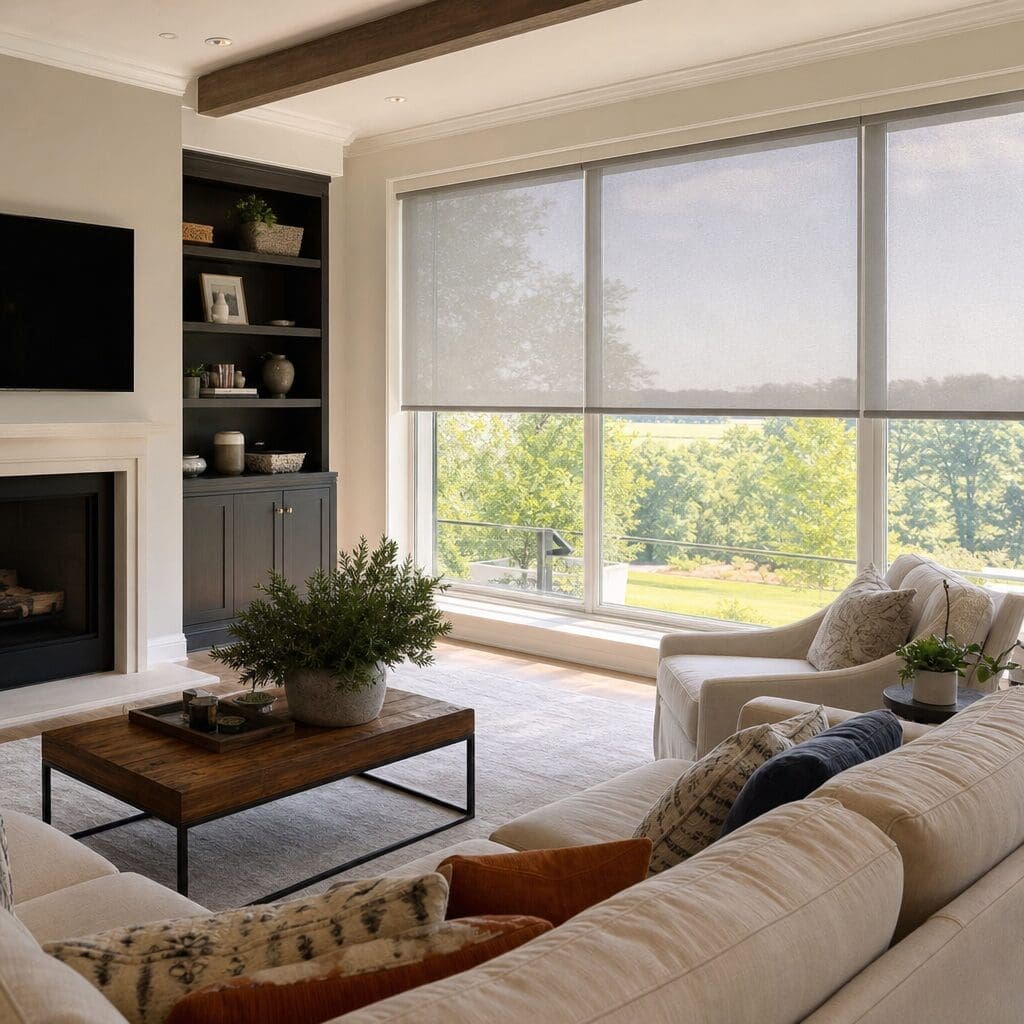
Energy-Efficient Window Treatments in Westfield and Central Indiana
As a woman-owned, locally run business serving Westfield and surrounding Central Indiana communities, In Style Blinds helps homeowners create spaces that are both beautiful and comfortable year-round.
From new construction homes to updated interiors, we provide personalized recommendations that help reduce energy costs while enhancing the design of your home.
Whether you’re looking to keep your home cooler in the summer, warmer in the winter, or more comfortable year-round, our team is here to help.
If you’re ready to explore window treatments that support energy efficiency, schedule your personalized in-home consultation with In Style Blinds today.
Frequently Asked Questions
Q: What window treatments are most energy efficient?
A: Cellular shades are often considered the most energy-efficient option due to their insulating design, but solar shades, shutters, and layered treatments can also help improve efficiency.
Q: Do window treatments really reduce energy bills?
A: Yes. By reducing heat gain in summer and heat loss in winter, window treatments can help lower energy usage and improve indoor comfort.
Q: Are solar shades good for energy efficiency?
A: Yes. Solar shades help reduce glare and limit heat from sunlight, making them ideal for summer cooling.
Q: Can window treatments help in winter?
A: Absolutely. Insulating options like cellular shades and layered treatments help retain indoor heat during colder months.
Q: Are motorized shades worth it for energy savings?
A: Yes. Motorized shades make it easier to control sunlight throughout the day, which can improve overall energy efficiency.

View comments
+ Leave a comment